Cold-Pressed Mustard Oil vs Refined Oil
Understand how cold-pressed and refined oils differ in processing, flavour, cooking use, storage and nutrition context; without hype.

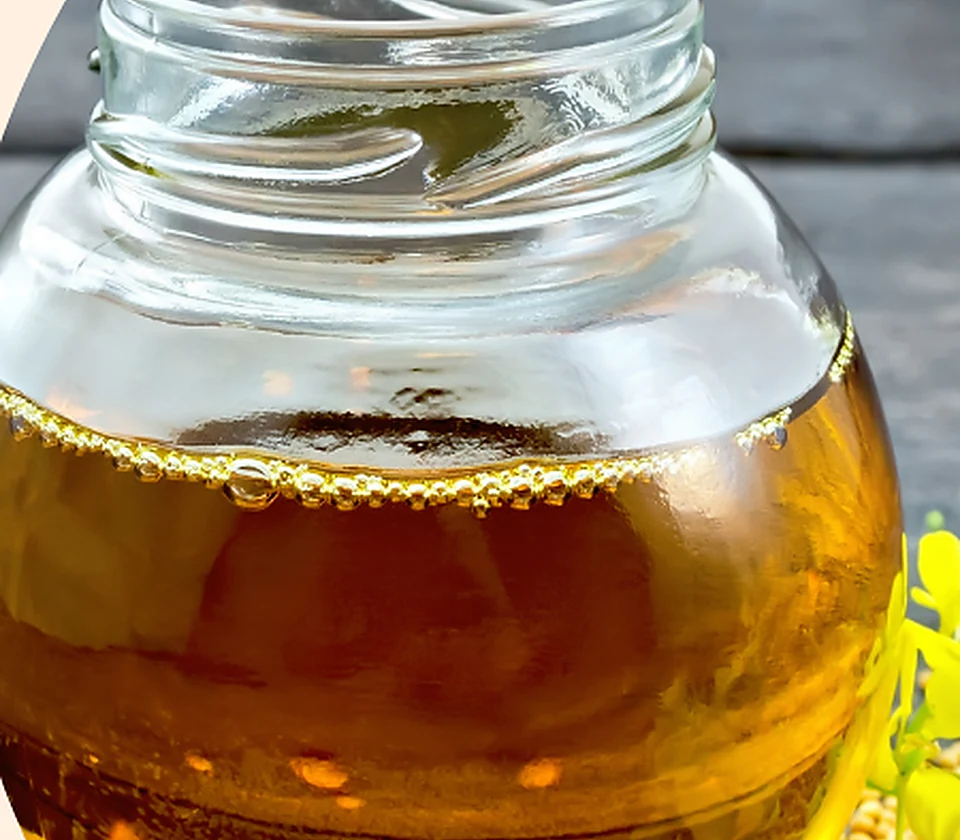
Cold-pressed mustard oil and refined oil are not simply “good” and “bad” versions of the same thing. They are made through different processes and therefore differ in aroma, colour, flavour, composition and practical use. The most helpful comparison looks at the label, the oil’s intended culinary purpose, sensible storage and the overall amount of fat in the diet. It should not rely on sweeping claims about detoxification, disease prevention or one oil being right for everyone.
What cold-pressed means
Cold pressing generally refers to mechanically extracting oil from seeds with limited heat, rather than using high-temperature refining as part of the extraction process. With mustard seeds, this produces an oil with the characteristic pungent aroma and flavour many South Asian kitchens recognise. Because more of the seed’s naturally occurring flavour and colour compounds remain, the result is usually less neutral than a refined oil.
The term describes processing, not a guarantee of purity or a medical outcome. A cold-pressed oil should still be made from sound raw material, packed hygienically and stored well. Check that the label identifies the oil, lists ingredients and gives a best-before date and storage advice. A strong aroma is expected for mustard oil, but smell alone cannot verify every claim on a bottle.
Aagan Mustard Oil is described as cold-pressed and prepared without artificial flavouring. Its bold aroma is part of the product’s intended character. As with all cooking oils, follow the product label and use it in ways that suit the recipe and your household’s preferences.
What refining changes
Refined edible oils undergo additional steps after extraction to remove or reduce components that affect flavour, odour, colour, stability and performance. Depending on the oil and process, these steps can include degumming, neutralisation, bleaching and deodorisation. The goal is a cleaner-looking, more neutral-tasting and more consistent product; not necessarily a different source crop.
Refining can be useful when manufacturers want a mild flavour and predictable cooking behaviour. It can also remove some naturally occurring minor compounds along with pigments and odour-active substances. That trade-off explains why a refined oil may look pale and smell mild, while a cold-pressed oil has more of the seed’s original sensory character.
Neither description tells you everything about quality. A properly made refined oil is not automatically unsafe, and a cold-pressed oil is not automatically superior for every use. The relevant questions are whether the product is correctly labelled, fresh, stored properly and suitable for the cooking method you have in mind.
Flavour and kitchen use
Mustard oil brings a strong, distinctive note to pickles, curries, saag, fried fish and many regional dishes. That flavour can be the main reason to choose it. A refined oil is often chosen when the cook wants the food’s other flavours to lead, such as in delicate baking or a dish where a neutral profile is preferred.
Heat management matters more than marketing labels. Avoid letting any cooking oil smoke heavily, and do not keep reheating the same oil for repeated frying. Smoke, darkening and a harsh smell are signs to reduce heat or replace the oil. Use a clean pan, measure the amount you need and keep the bottle capped between uses.
Recipes and household traditions differ in how they use mustard oil. Some cooks heat it briefly before adding ingredients to develop its aroma; others use it in dressings, pickles or low-to-medium-heat preparations. Follow the product label and trusted recipe guidance. There is no need to claim that one traditional technique is the only correct method.
Nutrition and health claims: keep the comparison honest
All cooking oils are concentrated fats, so the amount used matters. Plant oils mainly provide unsaturated fats, but their fatty-acid profiles vary by crop and product. Major heart-health guidance emphasises replacing saturated and trans fats with unsaturated fats where appropriate, within an overall dietary pattern. That is broader and more useful than treating any single bottle as a preventive medicine.
Cold-pressed oils can retain more flavour-active and other minor seed compounds than heavily refined oils, but this does not establish that they cure disease, cleanse the body or make unlimited oil intake healthy. Food research often measures compounds and laboratory properties; translating those findings into a personal health outcome requires much stronger evidence than a label or social-media post can provide.
Mustard and rapeseed oils can vary in erucic-acid content depending on the plant variety and regional standards. Requirements for edible oils differ by country, so purchase products intended and labelled for culinary use in your market. Anyone managing a medical condition, pregnancy-related dietary question or a specialised diet should seek individual advice from a qualified clinician or dietitian.
Storage and a practical buying checklist
Light, heat and oxygen gradually affect oils. Store mustard oil tightly closed in a cool, dark place away from direct sunlight and the stove. Do not leave the cap off while cooking, and do not pour used oil back into the bottle. A clean, dry bottle opening helps prevent contamination.
When buying, check the product name, ingredient list, pack integrity, date marking and seller information. For cold-pressed mustard oil, a naturally bold aroma and variation in colour between batches can be expected. For refined oil, a mild smell and paler appearance are often part of the process. In either case, rancid, paint-like or sharply unpleasant odours are reasons not to use the oil.
Choose the oil that suits the flavour and method of the dish, then use it thoughtfully. Aagan’s live store is the source of truth for current Mustard Oil pack sizes, prices and availability. The product page provides storage information and a direct route to customer support if you have questions about an order.
Do not confuse refinement with hydrogenation
Refining and hydrogenation are different processes. Refining aims to remove selected components from an oil to improve neutrality, appearance or stability. Hydrogenation is a separate modification used to alter the fat’s physical properties. A shopper should not assume that the word “refined” means an oil has been hydrogenated, or that “cold-pressed” means every competing oil is chemically altered. Read the ingredient list and nutrition panel for the specific product.
This distinction is useful because food discussions often collapse several processes into one alarming story. Good nutrition guidance is more practical: avoid repeated overheating, use the amount of fat the recipe needs, choose a range of foods, and look at the whole eating pattern. An oil’s processing method is one characteristic, but it does not cancel the importance of portion, freshness and dietary balance.
For packaged foods, ingredient lists may contain refined oils because neutral flavour and consistency are useful at scale. That fact alone does not tell you whether the food is nutritionally balanced. Evaluate the food as a whole, including salt, sugar, fibre, portion size and how often it is eaten.
A balanced way to choose oils at home
Keeping more than one cooking fat can be practical. Use cold-pressed mustard oil when its aroma suits the dish, and choose another oil when a milder flavour is desired. This is a culinary decision first. No household needs to force every dish into one oil simply because a trend describes it as the only acceptable option.
Buy an amount you can use while it is fresh, especially in warm weather. Keep bottles away from windows and hot appliances, tighten the cap after use and do not mix fresh oil with old frying oil. These basic habits preserve quality better than relying on the label alone. If a bottle’s aroma becomes unpleasant or the oil is visibly compromised, replace it rather than trying to mask the change with spices.
Aagan Foods Editorial Team
We publish practical, carefully sourced information about traditional foods, cooking and storage. Our articles are educational and are not a substitute for personal medical or nutritional advice.